Treasure Coast Locksmith
LICENSED • INSURED • 35+ YEARS
Push-to-start vehicles use proximity-sensing smart key fobs instead of traditional keys. The system works through multiple antennas placed around the vehicle that detect the fob's presence. When you grab the door handle, an interior antenna verifies the fob is nearby and unlocks the door. When you sit down and press the start button, another antenna verifies the fob is inside the vehicle before allowing engine start.
Programming a push-to-start fob is more complex than a traditional transponder key because three systems must be paired: the immobilizer (engine start authorization), the remote keyless entry (lock/unlock), and the proximity detection (walk-up recognition).
Most vehicles sold after 2015 offer push-to-start. Common systems: Toyota Smart Key, Honda Smart Key, Ford Intelligent Access, Hyundai/Kia Smart Key, Nissan Intelligent Key, Chrysler/Dodge keyless enter-n-go. We program all of these systems on-site.
Every push-to-start vehicle has an emergency start method for dead fob batteries. Usually: hold the fob against the start button or a specific spot on the steering column, then press start. The car's antenna powers the fob's transponder passively. We show you this trick during every fob programming visit.
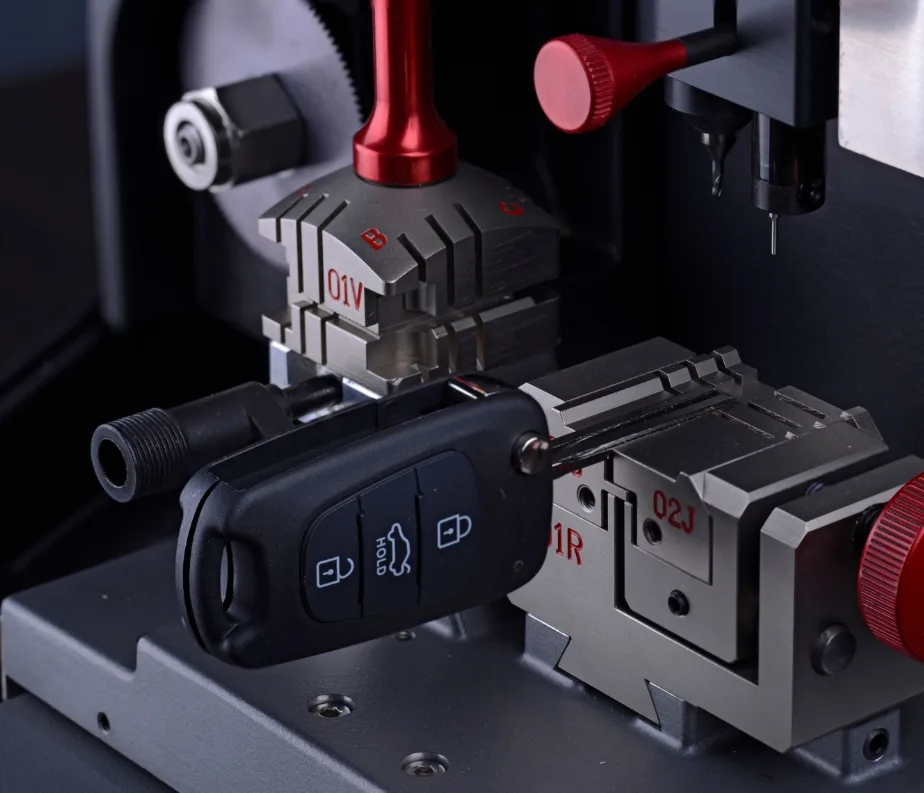


Standard port-based programming for most vehicles. Fast, non-invasive, reliable.

Advanced chip-level programming for complex security systems and all-keys-lost cases.
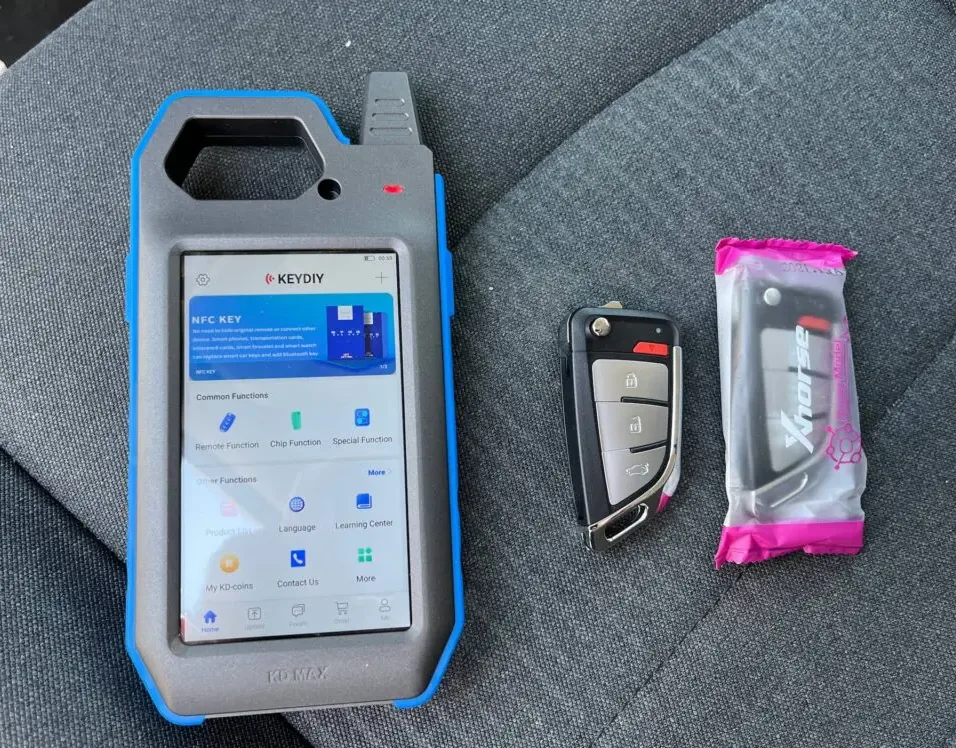
Immobilizer + remote + proximity all programmed in one session.
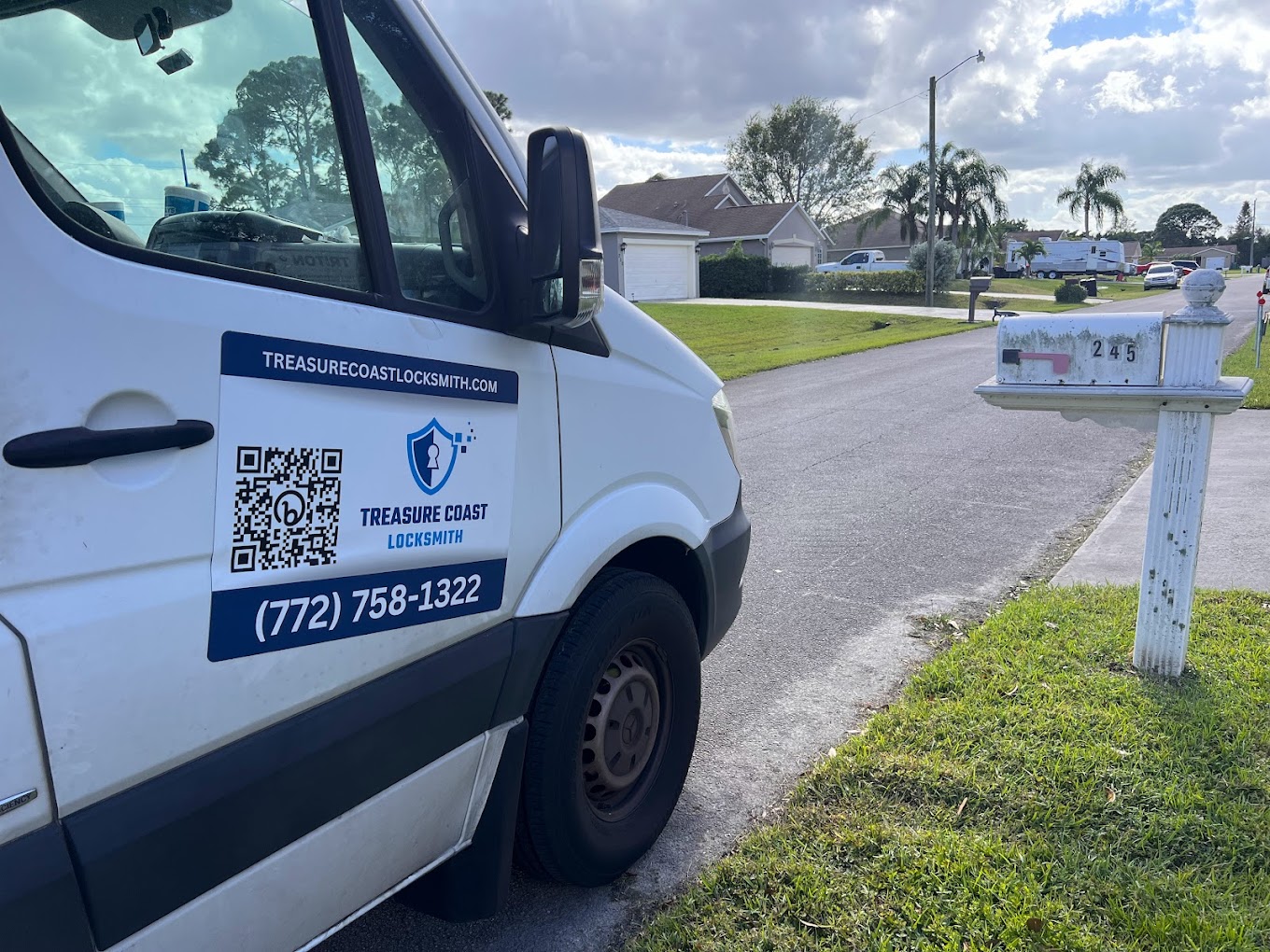
Full programming lab on wheels. We come to your PSL location.